mHealth Chronicles: A promising tool in building bridges to healthcare equality
Updated: Apr 7, 2023
March 31, 2023
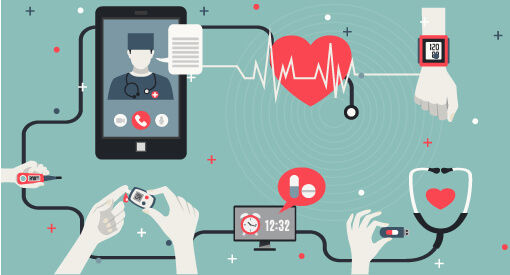
Mobile health (mHealth) resources have the potential to help underserved communities by increasing access to healthcare services, improving health outcomes, and reducing healthcare disparities. Underserved communities often face barriers to healthcare, including lack of access to healthcare facilities, lack of transportation, language barriers, and cultural differences. mHealth resources, such as mobile apps, text messaging services, and telemedicine, can help address these barriers by providing virtual access to healthcare services and information.
For example, mobile apps can provide health information, reminders for medication and appointments, and even connect patients with healthcare providers through telemedicine. Text messaging services can provide health tips, appointment reminders, and medication adherence support. Telemedicine can connect patients with healthcare providers remotely, allowing them to receive care without having to travel long distances.
mHealth resources can also help in emergency situations by providing real-time information about disease outbreaks and natural disasters and connecting people with emergency services.
Overall, mHealth resources have the potential to play an important role in improving healthcare access and outcomes for underserved communities.
Ensuring that mobile healthcare resources are culturally appropriate for the communities they serve is essential to their success in improving healthcare access and outcomes. Community appropriateness of deployable healthcare resources can be enhanced by:
· Involving the community: It is essential to involve members of the community in the development and implementation of mobile healthcare resources. This can include community leaders, healthcare providers, and patients. Engaging with the community can help ensure that the resources are tailored to their needs and preferences.
· Addressing language barriers: Mobile healthcare resources should be available in languages that are commonly spoken in the community. This can include providing translations of written materials and using interpreters for telemedicine appointments.
· Considering cultural norms: Cultural norms can influence how people think about health and healthcare. Mobile healthcare resources should take into account cultural norms, such as beliefs about illness and treatment, and address them in a sensitive and appropriate manner.
· Addressing accessibility issues: Mobile healthcare resources should be accessible to everyone, including those with disabilities. This can include making sure that the resources are compatible with assistive technologies, such as screen readers.
· Testing the resources: Before implementing mobile healthcare resources, it is important to test them with members of the community to ensure that they are effective and culturally appropriate. This can involve conducting focus groups, surveys, and usability testing.
mHealth) resources are increasingly being used to improve health outcomes in underserved communities. Here are some examples:
· Text messaging programs: Text messaging programs have been used to promote health behaviors such as medication adherence, smoking cessation, and healthy eating in underserved communities. For example, the Text4baby program provides free text messages with health information to pregnant women and new mothers.
· Mobile applications (apps): There are a variety of mobile apps available that can help with managing chronic conditions such as diabetes or hypertension. For example, the MySugr app helps people with diabetes track their blood sugar levels, medications, and other health metrics.
· Telemedicine: Telemedicine refers to the use of technology to provide healthcare services remotely. This can be particularly useful in underserved areas where there may be a shortage of healthcare providers. For example, the program Project ECHO uses videoconferencing technology to connect primary care providers in underserved areas with specialists who can provide guidance on complex medical cases.
· Wearable devices: Wearable devices such as fitness trackers and smartwatches can be used to monitor physical activity, heart rate, and other health metrics. These devices can help people in underserved communities track their health and make lifestyle changes to improve their health.
· Health information hotlines: Some organizations provide health information hotlines that people in underserved communities can call to get information about specific health topics or to connect with healthcare providers. For example, the National Domestic Violence Hotline provides information and support for people experiencing domestic violence.
The use of apps is an example of an ongoing successful deployment of mHealth resources in managing diabetes in underserved communities. Diabetes is a chronic condition that affects millions of people worldwide, especially in lower-income communities where lower-protein, cheaper diets are prevalent. Managing the condition requires regular monitoring of blood glucose levels, medication adherence, and lifestyle changes.
Mobile health apps, such as the aforementioned MySugr, and others such as Glucose Buddy and Glooko, help patients with diabetes track their blood glucose levels, medication schedules, and diet and exercise habits. The apps also provide reminders and alerts to help patients stay on track with their diabetes management.
Studies have shown that the use of mobile health apps can lead to improved diabetes self-management, better glycemic control, and reduced healthcare costs. For example, a study published in the Journal of Medical Internet Research found that patients who used a mobile health app to manage their diabetes had a significant reduction in HbA1c levels (a measure of blood glucose control) compared to those who did not use the app.
Ultimately, mHealth resources have the potential to improve health outcomes in underserved communities by providing access to information, support, and healthcare services that might otherwise be difficult to access.


Comments